
The Rise of Robotic Surgery in Gynecology: How It's Transforming Myomectomy and Hysterectomy
By Dr. Prithivi Perum, Obstetrician, Gynecologist, Fertility Expert & Robotic & Laparoscopic Surgeon at Mathrutva Women Healthcare, Manikonda, and Medicover Women & Child Hospitals, Hyderabad.
Quick answer: Robotic gynecologic surgery uses a surgeon-controlled platform with magnified 3D vision and precise instruments to perform myomectomy, hysterectomy, and other pelvic procedures through small incisions. It can offer advantages in complex cases - especially when fibroids are large, anatomy is difficult, or fertility preservation requires careful uterine repair - but it is not necessary for every patient. The best approach depends on your diagnosis, surgical history, and the experience of your surgeon.
Across Hyderabad - and increasingly across India - women facing fibroids, heavy bleeding, endometriosis, or chronic pelvic pain are hearing more about robotic surgery. For many, the idea of a “robot” operating sounds futuristic. In reality, the surgeon remains in full control; the technology simply extends precision, stability, and visibility inside the pelvis. At Mathrutva Women Healthcare, Manikonda, Dr. Prithivi Perum offers robotic, laparoscopic, and hysteroscopic options so each woman receives the approach best suited to her body and reproductive goals - not technology for its own sake.
What Makes Robotic Surgery Different?
Robotic-assisted surgery is a form of minimally invasive surgery. Instead of a large abdominal cut, the procedure is performed through a few small ports. A high-definition 3D camera provides depth perception that standard laparoscopy cannot match. Robotic instruments have wrist-like movement, tremor filtration, and scaling - meaning large hand motions at the console become fine, controlled movements inside the pelvis.
How the System Works
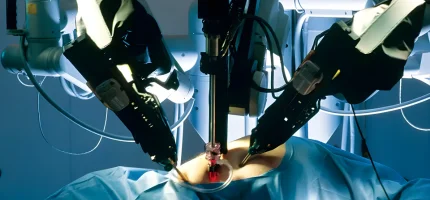
During robotic gynecologic surgery, the surgeon sits at a console and controls robotic arms that hold a camera and specialised instruments. An assistant remains at the bedside to assist with instruments, suction, and sutures. The setup typically includes:
- 3D magnified vision - Clearer identification of blood vessels, nerves, and delicate tissues
- Articulated instruments - Greater range of motion in tight spaces behind the uterus or near the bowel
- Steadier control - Reduced hand tremor during long or intricate dissections
- Ergonomic console - Allows sustained focus during complex procedures
Robotic surgery does not replace surgical skill. Outcomes still depend on training, case selection, and experience. That is why choosing a surgeon who regularly performs minimally invasive and fertility-preserving procedures matters as much as the machine itself.
Why Robotic Myomectomy Is Becoming the Preferred Option
A myomectomy removes uterine fibroids while keeping the uterus intact - essential for women who wish to conceive later. Fibroids are common in Indian women and may cause heavy periods, pelvic pressure, pain, or infertility when they distort the uterine cavity or block the fallopian tubes.
When Fibroids Make Surgery Necessary
Not every fibroid requires surgery. Small fibroids without symptoms may be monitored. Surgery is often considered when fibroids cause:
- Severe or prolonged menstrual bleeding leading to anaemia
- Pelvic pain or pressure affecting daily life
- Difficulty conceiving or recurrent pregnancy loss linked to cavity distortion
- Rapid growth or size that raises concern on imaging
- Failed response to medical management
Robotic myomectomy is particularly helpful when fibroids are multiple, deeply embedded in the uterine wall, or located in challenging positions. The enhanced vision and wristed instruments support careful removal and layered uterine repair - critical for future pregnancy. Learn more about fibroid treatment in Manikonda.
Women in Manikonda, Gachibowli, Financial District, and greater Hyderabad often prefer robotic myomectomy because recovery is typically smoother than open surgery, with less pain, smaller scars, and a shorter return to work - though every recovery is individual.
How Robotic Surgery Enhances Hysterectomy
A hysterectomy is the surgical removal of the uterus. It may be recommended when fibroids, adenomyosis, endometriosis, chronic pelvic pain, or abnormal bleeding do not respond to medical treatment - and when the woman has completed childbearing or does not wish to preserve fertility.
Types of Hysterectomy
Depending on the condition, the surgeon may remove:
- Only the uterus - Total hysterectomy
- Uterus and cervix - As clinically indicated
- Ovaries and/or fallopian tubes - Only when necessary for the underlying disease; not routine for every patient
Robotic hysterectomy offers excellent visibility in women with prior caesarean scars, endometriosis adhesions, large uteri, or difficult pelvic anatomy. Precise dissection may reduce blood loss and support careful identification of the ureter and bladder - structures that lie close to the uterus. See our page on hysterectomy options in Hyderabad.
Compared with open hysterectomy, robotic and laparoscopic routes generally mean shorter hospital stays, less post-operative pain, and faster return to routine activities. Robotic surgery may be favoured when laparoscopic access is expected to be technically demanding.
Advantages of Robotic Surgery Every Woman Should Know
Benefits vary by procedure and patient, but robotic gynecologic surgery is associated with several advantages over traditional open surgery:
- Smaller incisions - Typically a few keyhole cuts rather than a long abdominal scar
- Less blood loss - Magnified vision helps secure bleeding vessels early
- Reduced post-operative pain - Smaller wounds usually mean less discomfort and fewer strong painkillers
- Shorter hospital stay - Many patients go home within 24 to 48 hours
- Faster recovery - Return to desk work often within one to two weeks for uncomplicated cases
- Lower wound infection risk - Smaller external wounds reduce certain complication rates
- Better cosmetic outcome - Minimal scarring matters to many women
- Precision in complex cases - Helpful for dense adhesions, deep endometriosis, or multi-layer uterine repair after myomectomy
For women planning pregnancy after myomectomy, robotic precision supports careful closure of the uterine muscle - an important factor in reducing rupture risk during a future pregnancy. This is one reason robotic surgery is discussed alongside fertility enhancement surgery for selected patients.
Robotic surgery is not risk-free. As with any operation, complications such as bleeding, infection, injury to nearby organs, anaesthesia reactions, or conversion to open surgery are possible. Honest pre-operative counselling should cover both benefits and limits.
When Should You Consider Robotic Myomectomy or Hysterectomy?
Robotic surgery is not automatically the right choice for everyone. It is often considered when minimally invasive surgery is appropriate but the case is complex enough to benefit from enhanced control.
You May Be a Candidate If You Have:
- Symptomatic fibroids requiring removal, especially multiple or deep fibroids
- Heavy menstrual bleeding or anaemia not controlled by medication
- Endometriosis or adenomyosis with significant pain or adhesions
- Prior abdominal or pelvic surgery causing dense scar tissue
- A need for hysterectomy with challenging anatomy or a large uterus
- Fertility goals requiring uterine-preserving myomectomy with careful repair
When Another Approach May Be Better
Simple hysteroscopic procedures for cavity polyps or submucosal fibroids may not need robotics or even laparoscopy. Very small, accessible fibroids in young women may be managed laparoscopically without robotic assistance. In rare emergencies or when minimally invasive access is unsafe, open surgery remains the correct option.
At Mathrutva, each woman receives a personalised evaluation. Dr. Prithivi Perum reviews medical history, imaging, fertility plans, and prior operations before recommending robotic, laparoscopic, hysteroscopic, or open surgery.
The Step-by-Step Process of Robotic Gynecologic Surgery
Understanding the journey helps reduce anxiety. A structured pathway typically includes:
Step 1: Consultation and Diagnosis
Your doctor discusses symptoms, examines you, and reviews ultrasound or MRI findings. Blood tests, anaemia screening, and fertility assessment may be arranged if you plan future pregnancy.
Step 2: Pre-Operative Planning
You receive clear information about the recommended procedure, alternatives, risks, and expected recovery. Medical fitness for anaesthesia is confirmed. You may be advised to optimise iron levels, treat infections, or adjust medications before surgery.
Step 3: Day of Surgery
After anaesthesia, small incisions are made and ports inserted. The robotic system is docked, and the surgeon performs the operation from the console. Procedure duration depends on complexity - a straightforward case may take a few hours; extensive endometriosis or multiple fibroids may take longer.
Step 4: Recovery and Discharge
Most women walk within hours of surgery. Pain is managed with oral medication. Many patients are discharged within 24 to 48 hours if recovery is uncomplicated. Light activity resumes gradually; heavy lifting and driving are avoided until your surgeon clears you.
Step 5: Follow-Up Care
A follow-up visit reviews healing, pathology results (if tissue was removed), and future plans - whether that means trying to conceive after myomectomy, hormone discussion after hysterectomy, or ongoing management of endometriosis.
“Robotic surgery allows us to offer women safer, minimally invasive solutions for conditions like fibroids and endometriosis. The precision and recovery benefits are meaningful - but the surgeon’s judgement and the patient’s individual goals always come first.”
- Dr. Prithivi Perum
Why Robotic Surgery Is a Game-Changer for Fertility
For women who wish to preserve fertility, the surgical approach matters as much as the diagnosis. Removing fibroids or treating endometriosis must balance thorough treatment with protection of ovarian reserve and uterine strength.
Fertility Benefits of Robotic Myomectomy
- Preserves the uterus for future pregnancy
- Supports accurate multi-layer closure after fibroid removal
- May improve implantation when fibroids distort the cavity
- Allows faster physical recovery compared with open myomectomy in many cases
After myomectomy, doctors usually recommend waiting several months before trying to conceive so the uterine scar can heal adequately. Rushing pregnancy too soon increases rupture risk. Your surgeon will give personalised timing based on the number of fibroids removed, depth of incisions into the uterine wall, and your overall health.
Robotic surgery does not guarantee pregnancy. Partner factors, egg quality, tubal health, and conditions like PCOS still influence outcomes. Surgery removes anatomical barriers; it does not replace comprehensive fertility care when needed.
Robotic Surgery vs Laparoscopic vs Open Surgery
Women often ask how robotic surgery compares with standard laparoscopy and traditional open surgery. All three have roles in modern gynecology. The best option depends on disease complexity, surgeon expertise, and available technology - not marketing alone.
| Feature | Robotic Surgery | Laparoscopic Surgery | Open Surgery |
|---|---|---|---|
| Incision size | Small keyhole ports | Small keyhole ports | Larger abdominal incision |
| Surgical vision | 3D magnified high-definition view | 2D view on a monitor | Direct vision through open wound |
| Instrument movement | Wristed tools with tremor filtration | Rigid laparoscopic instruments | Full manual dexterity |
| Typical hospital stay | Often 1–2 days | Often 1–2 days | Often 3–5 days or longer |
| Recovery time | Usually faster than open; similar to laparoscopy for many cases | Usually faster than open | Longer recovery; more post-operative pain |
| Best suited for | Complex fibroids, dense adhesions, difficult hysterectomy, precise uterine repair | Straightforward minimally invasive cases with experienced laparoscopic surgeons | Very large masses, emergencies, or when minimally invasive access is unsafe |
| Scarring | Minimal | Minimal | More visible abdominal scar |
Robotic and laparoscopic surgery share many patient benefits. Robotics may offer an edge when dissection is technically demanding - for example, deep infiltrating endometriosis, multiple myomectomy with reconstruction, or hysterectomy after prior caesarean sections. Skilled laparoscopic surgeons can achieve excellent results in many of the same cases. Open surgery remains the safest route when anatomy, size, or urgency makes minimally invasive access inappropriate.
At Mathrutva, the recommendation is based on your imaging, symptoms, fertility goals, and surgical history - not on using robotics whenever possible. Explore laparoscopic and hysteroscopic surgery options in Hyderabad for a full picture of minimally invasive care.
The Future of Gynecologic Surgery in India
Robotic gynecology is no longer limited to a handful of metropolitan hospitals. In 2026, awareness among Indian women is rising - driven by better access to information, improved imaging, and growing demand for procedures that preserve fertility and quality of life.
Several trends are shaping the field:
- More trained robotic surgeons - Fellowship-trained gynecologists are bringing expertise to cities like Hyderabad
- Patient-led decision making - Women increasingly ask about recovery time, scar size, and fertility impact before agreeing to surgery
- Integration with fertility care - Surgery and reproductive medicine are planned together rather than in isolation
- Focus on endometriosis - Advanced minimally invasive excision is gaining recognition as standard care for moderate to severe disease
- Shorter hospital pathways - Enhanced recovery protocols help patients return home sooner with structured follow-up
As one of the leading robotic and laparoscopic surgeons in Manikonda, Dr. Prithivi Perum continues to offer evidence-based, patient-centred surgical care - helping women experience smoother operations, thoughtful fertility planning, and realistic expectations at every step.
Considering Surgery? Choose a Centre with Expertise
Technology alone does not determine success. Surgical outcomes depend on accurate diagnosis, appropriate case selection, anaesthesia support, and the skill of the operating team. When evaluating a centre, consider:
- Surgeon experience with myomectomy, hysterectomy, and endometriosis surgery
- Ability to offer multiple approaches - robotic, laparoscopic, hysteroscopic, and open when needed
- Clear discussion of risks, benefits, and alternatives
- Fertility-focused counselling if you plan future pregnancy
- Structured follow-up and accessible post-operative support
At Mathrutva Women Healthcare, patients benefit from advanced minimally invasive options, compassionate counselling, and a surgeon trained in both robotic and laparoscopic techniques. Whether you need fibroid removal, hysterectomy evaluation, or treatment for endometriosis in Manikonda, the goal is the same: safe surgery aligned with your health and life plans.
If you are dealing with fibroids or pelvic pain, or require hysterectomy evaluation, now is the right time to explore robotic and minimally invasive options with a trusted specialist.
Summary
Robotic gynecologic surgery is a minimally invasive approach that gives surgeons magnified 3D vision and precise instrument control for procedures such as myomectomy and hysterectomy. It can be especially valuable for complex fibroids, difficult pelvic anatomy, dense adhesions, and fertility-preserving uterine repair - but it is not required for every patient. Compared with open surgery, robotic and laparoscopic routes typically offer smaller incisions, less pain, shorter hospital stays, and faster recovery. Robotic surgery shares many benefits with laparoscopy; its advantages are most apparent in technically demanding cases performed by experienced surgeons. The right choice depends on your diagnosis, fertility goals, prior operations, and a thorough consultation. At Mathrutva Women Healthcare, Manikonda, Dr. Prithivi Perum provides personalised surgical planning so women across Hyderabad can make informed decisions with realistic expectations.
Key Takeaways
- Robotic surgery is surgeon-controlled minimally invasive technology - not an autonomous robot.
- Robotic myomectomy removes fibroids while preserving the uterus for women who wish to conceive.
- Robotic hysterectomy may be recommended when medical treatment fails and childbearing is complete or not desired.
- Benefits over open surgery include smaller scars, less pain, shorter hospital stays, and faster recovery in most cases.
- Robotic and laparoscopic surgery are similar for straightforward cases; robotics may help most in complex pelvic surgery.
- Fertility after myomectomy requires careful uterine repair and a planned waiting period before pregnancy.
- Outcomes depend on surgeon experience and correct case selection - not on technology alone.
To discuss whether robotic surgery is right for you, book a consultation with Dr. Prithivi Perum at Mathrutva, Manikonda, or contact the clinic with your questions.
Related Services
References & External Resources
Disclaimer
This content is for educational purposes only and should not replace medical consultation. Surgical outcomes vary by patient; robotic surgery does not guarantee specific results or pregnancy. Please contact your doctor for personalised advice.
Explore advanced robotic gynecology surgery - book your consultation with Dr. Prithivi Perum at Mathrutva, Manikonda today.