
The Silent Rise of PCOS in Young Indian Women: Understanding Causes, Symptoms, and Advanced Treatment Options
By Dr. Prithivi Perum, Consultant Gynecologist, Fertility Expert & Laparoscopic and Robotic Surgeon at Mathrutva Women Healthcare, Manikonda, and Medicover Women & Child Hospitals, Hyderabad.
Quick answer: Polycystic Ovary Syndrome (PCOS) is a common hormonal condition in young women. It can cause irregular periods, acne, weight gain, and difficulty conceiving. Early diagnosis and personalised care help prevent long-term health problems.
More young women in India - including those in Hyderabad, Manikonda, and nearby areas - are being diagnosed with PCOS than ever before. Many notice symptoms like skipped periods or sudden weight changes but assume they are just stress-related. They often are not. Under the guidance of Dr. Prithivi Perum at Mathrutva Women Healthcare, women receive clear answers, evidence-based treatment, and a plan that fits their life goals - whether that means managing symptoms, regulating cycles, or planning a pregnancy.
What Is PCOS?
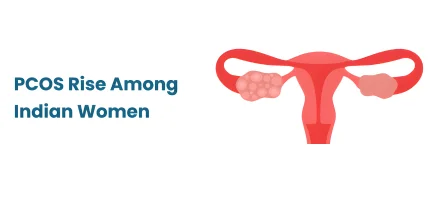
PCOS stands for Polycystic Ovary Syndrome. It is a hormonal disorder that affects how the ovaries work. The ovaries may produce higher-than-normal levels of androgens (often called male hormones, though all women have them). This can disrupt ovulation - the monthly release of an egg.
On ultrasound, the ovaries may show many small follicles that look like tiny cysts. Not every woman with PCOS has visible cysts, and not every woman with ovarian cysts has PCOS. That is why a proper medical evaluation matters.
How PCOS Differs From Normal Hormonal Changes
Occasional irregular periods can happen with stress, travel, or illness. PCOS is different. Symptoms tend to persist over months or years. Without treatment, PCOS can affect fertility, metabolism, skin health, and emotional wellbeing.
Why PCOS Is Rising in Young Indian Women
Doctors do not know one single cause of PCOS. Research points to several factors working together:
- Insulin resistance - The body struggles to use insulin properly, which can raise androgen levels.
- Family history - PCOS often runs in families. A mother or sister with PCOS raises your risk.
- Sedentary lifestyle - Long hours at a desk, less physical activity, and poor sleep affect hormone balance.
- Diet patterns - Frequent processed foods, sugary drinks, and irregular meal times may worsen insulin resistance.
- Chronic stress - High cortisol levels can disturb reproductive hormones over time.
- Environmental factors - Some studies link endocrine-disrupting chemicals in plastics and pollutants to hormonal changes.
Young women in fast-growing urban areas like Manikonda, Gachibowli, and Financial District often face a mix of these risk factors. Awareness is the first step toward better health.
Symptoms to Watch For
PCOS looks different in every woman. You do not need every symptom to have the condition. Common signs include:
- Irregular or missed periods (fewer than 8 cycles per year)
- Heavy bleeding when periods do occur
- Acne on the face, chest, or back
- Excess hair growth on the face, chin, chest, or abdomen (hirsutism)
- Hair thinning on the scalp
- Weight gain or difficulty losing weight
- Dark patches of skin around the neck or underarms (acanthosis nigricans)
- Difficulty getting pregnant after 12 months of trying
- Mood changes, anxiety, or low energy
If you notice two or more of these symptoms, a gynecologist can help you find out what is going on. Learn more about related menstrual concerns in our article on menstrual health.
Who Is Most Affected?
PCOS typically appears in women of reproductive age - often between the late teens and mid-30s. It affects women of all body types. Thin women can have PCOS, and not every woman with PCOS is overweight.
Women with a family history of diabetes, obesity, or PCOS face higher risk. Those planning pregnancy later in life may also benefit from early screening, especially if cycles have always been irregular.
Diagnosis and Treatment Options
There is no single blood test for PCOS. Diagnosis usually involves:
- Medical history - Your doctor asks about periods, symptoms, weight changes, and family history.
- Physical examination - Checking for signs like excess hair, acne, or weight distribution.
- Blood tests - Hormone levels (androgens, LH, FSH), thyroid function, and blood sugar may be checked.
- Pelvic ultrasound - To examine ovarian appearance and rule out other conditions.
At Mathrutva, Dr. Prithivi Perum uses a structured approach so treatment matches your goals.
Treatment Options (Varies by Patient)
- Lifestyle changes - Diet, exercise, and sleep improvements (first-line for many women)
- Hormonal contraceptives - To regulate periods and reduce androgen effects
- Metformin - For insulin resistance, when appropriate
- Anti-androgen medicines - To manage excess hair and acne
- Fertility treatment - Ovulation induction or assisted reproduction when trying to conceive
- Surgery - Rarely needed; laparoscopic procedures may help in select cases
Treatment is not one-size-fits-all. A teenager managing acne needs a different plan than a woman trying to conceive at 32. Your doctor will discuss benefits, risks, and what to expect.
Lifestyle Changes That Help
Medicine works better when paired with healthy habits. Small, steady changes often matter more than extreme diets.
- Aim for 150 minutes of moderate exercise per week (walking, swimming, yoga)
- Choose whole grains, lean protein, vegetables, and healthy fats
- Limit sugary drinks, fried foods, and late-night snacking
- Keep a regular sleep schedule - 7 to 8 hours nightly
- Practice stress relief through breathing exercises, meditation, or gentle movement
- Track your menstrual cycle to spot patterns early
Many women in Hyderabad find that combining medical care with these habits leads to more regular cycles and better energy within a few months. Results vary, so stay patient and stay in touch with your doctor.
Risks, Benefits, and Recovery
Potential Risks of Untreated PCOS
- Type 2 diabetes and prediabetes
- High blood pressure and cholesterol problems
- Endometrial hyperplasia (thickening of the uterine lining from infrequent periods)
- Difficulty conceiving
- Increased risk of sleep apnoea and mood disorders
Benefits of Early Management
- More predictable menstrual cycles
- Improved skin and hair symptoms
- Better weight management support
- Higher chances of natural conception when ready
- Lower long-term metabolic risk
Recovery and improvement timelines differ. Some women feel better within weeks. Others need several months of consistent care. PCOS is manageable - not curable - but many women live full, healthy lives with the right plan.
“PCOS is not a one-size-fits-all condition. Every woman needs personalised care. When we combine targeted treatment with practical lifestyle changes, the results are genuinely empowering.”
- Dr. Prithivi Perum
When to See a Doctor
Book a consultation if you have:
- Periods that come fewer than every 35 days, or not at all for 3+ months
- Symptoms of excess androgens (acne, hair growth, hair loss)
- Been trying to conceive for 12 months without success (or 6 months if over 35)
- Significant weight changes you cannot explain
- Concerns about long-term health risks
Early care at Mathrutva, Manikonda can prevent complications and give you a clear path forward. For dedicated PCOS support, explore our PCOS and PCOD care services.
Summary
PCOS is a common hormonal condition affecting young Indian women at rising rates. It causes irregular periods, skin and hair changes, weight challenges, and sometimes infertility. Causes include insulin resistance, genetics, lifestyle, and stress. Diagnosis requires a full evaluation - not just an ultrasound. Treatment ranges from lifestyle changes to medicines and fertility support, tailored to each woman. Early care reduces long-term health risks and improves quality of life.
Key Takeaways
- PCOS affects roughly 1 in 5 to 1 in 10 women of reproductive age in India - you are not alone.
- Irregular periods plus acne or excess hair growth warrant a gynecology visit.
- PCOS cannot be cured, but symptoms can be managed effectively.
- Lifestyle changes are a core part of treatment, not an afterthought.
- Fertility is possible - many women with PCOS conceive naturally or with medical help.
- Early diagnosis protects long-term metabolic and reproductive health.
If you have questions about your symptoms, book a consultation with Dr. Prithivi Perum at Mathrutva Women Healthcare, Manikonda. You can also contact the clinic directly for an appointment.
Related Services
References & External Resources
Disclaimer
This content is for educational purposes only and should not replace medical consultation. Treatment outcomes vary by patient. Please contact your doctor for personalised advice.
Take control of your hormonal health - book an appointment with Dr. Prithivi Perum at Mathrutva, Manikonda today.