Introduction
Quick answer: Myomectomy removes uterine fibroids while preserving the uterus for future pregnancy. It can be performed laparoscopically, hysteroscopically, robotically, or through open surgery depending on fibroid characteristics and surgeon expertise.
Myomectomy is surgery to remove uterine fibroids while keeping the uterus intact - the preferred option for women who wish to conceive or avoid hysterectomy. Dr. Prithivi Perum performs laparoscopic, hysteroscopic, and robotic myomectomy at Mathrutva Women Healthcare Center, Manikonda, and Medicover Hospitals, Hyderabad, tailoring the approach to fibroid size, number, location, and your reproductive goals.
Uterine fibroids are remarkably common among Indian women, yet each patient's story is unique - heavy periods affecting work, anemia causing fatigue, or years of trying to conceive without success. Myomectomy offers a path to relief without giving up the uterus.
At Mathrutva Women Healthcare Center, Dr. Prithivi Perum takes time to explain whether myomectomy, hysteroscopic removal, medication, or watchful waiting suits your situation. Her fertility fellowship training means uterine repair after myomectomy is planned with future pregnancy in mind - layered suturing and appropriate recovery intervals before conception.
What is Myomectomy?
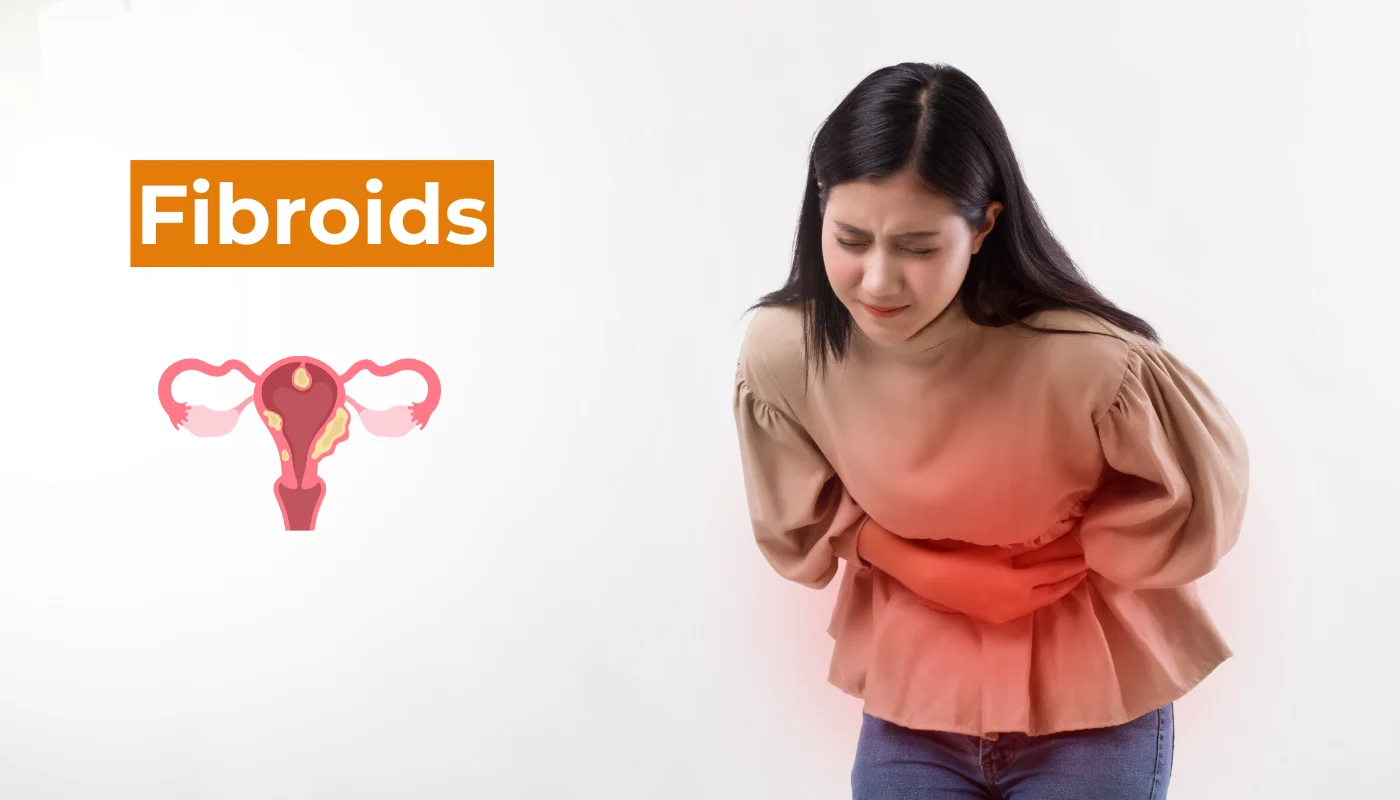
Fibroids are benign growths of the uterine muscle that affect up to 80% of women by age 50. Many cause no symptoms, but when they lead to heavy bleeding, pain, pressure, or infertility, myomectomy may be recommended. The surgical approach depends on fibroid size, number, and location: hysteroscopic myomectomy for fibroids inside the uterine cavity; laparoscopic or robotic myomectomy for intramural or serosal fibroids; open myomectomy for very large or complex cases.
FIGO classifies fibroids by location (submucosal, intramural, subserosal), which guides surgical planning. Dr. Prithivi Perum at Mathrutva Women Healthcare Center evaluates fibroids with ultrasound and MRI when needed, discusses fertility implications openly, and performs meticulous uterine repair - especially important for women planning pregnancy after surgery.
Who Needs This Treatment?
- Women with symptomatic fibroids who wish to preserve fertility
- Patients with heavy menstrual bleeding or anemia from fibroids
- Those with pelvic pain or pressure affecting quality of life
- Women with fibroids distorting the uterine cavity and causing infertility
- Patients with recurrent pregnancy loss linked to cavity-distorting fibroids
- Women who decline hysterectomy but need surgical fibroid treatment
- Those with large fibroids where medical therapy has failed
- Women planning IVF when intramural or submucosal fibroids may reduce success
Conditions Treated
- Intramural fibroids - within the uterine wall; often laparoscopic or robotic myomectomy
- Subserosal fibroids - projecting outward; frequently removed laparoscopically
- Submucosal fibroids - bulging into the cavity; hysteroscopic myomectomy when suitable
- Pedunculated fibroids - on a stalk; may be removed hysteroscopically or laparoscopically
- Multiple fibroids - staged or single surgery depending on size and goals
- Fibroids causing heavy menstrual bleeding
- Fibroids associated with infertility or miscarriage
- Anemia secondary to fibroid-related blood loss
When to Consult / Symptoms
Consider myomectomy evaluation when fibroid symptoms affect your health, daily life, or plans for pregnancy.
- Heavy menstrual bleeding with clots
- Pelvic pressure or bloating
- Frequent urination or constipation
- Difficulty conceiving
- Recurrent pregnancy loss
- Anemia and fatigue
- Pain during intercourse
- Enlarged or irregular uterus on scan
Why Choose This Procedure?
Myomectomy is the only surgical option that removes fibroids while keeping the uterus. For women who want children or prefer to avoid hysterectomy, it is often the best choice when surgery is needed.
- Uterus preserved - pregnancy remains possible after recovery
- Symptom relief - bleeding, pressure, and pain often improve significantly
- Minimally invasive options - laparoscopic and robotic routes for faster recovery
- Cavity correction - hysteroscopic removal improves implantation in some women
- Definitive for removed fibroids - unlike embolization, tissue is available for pathology
- Customised approach - technique matched to fibroid map and fertility timeline
Safety: Myomectomy is generally safe but carries risks including bleeding, infection, scar tissue, and uterine rupture risk in future pregnancy (rare but important to discuss). Blood transfusion may be needed for heavy bleeding. An experienced surgeon reduces complications.
Success rates: Symptom improvement rates are high for appropriately selected patients. Pregnancy rates after myomectomy vary by age, fibroid characteristics, and other fertility factors. Some women conceive naturally; others may still need fertility treatment.
Procedure Explained
Step-by-step overview of what to expect during your surgical journey.
- Consultation and imaging - fibroid mapping with ultrasound/MRI; fertility history reviewed
- Pre-operative optimisation - treat anemia; GnRH agonists sometimes used to shrink fibroids before surgery
- Anaesthesia - general anaesthesia for laparoscopic, robotic, and open myomectomy
- Surgical access - hysteroscopic (through cervix), laparoscopic (small incisions), robotic, or open abdominal approach
- Fibroid removal - each fibroid carefully excised from uterine tissue
- Uterine repair - layered suturing of the uterine wall, critical for future pregnancy strength
- Specimen sent to pathology - confirms benign fibroid tissue
- Recovery and follow-up - monitoring healing; pregnancy planning discussed at follow-up visit
Understanding the Causes
Fibroids are benign hormone-responsive tumours of the uterine muscle - surgery is considered when symptoms or fertility goals warrant intervention.
- Benign uterine fibroids (leiomyomas)
- Estrogen and progesterone hormonal influence
- Genetic predisposition
- Growth factors promoting fibroid development
Diagnosis & Evaluation
Accurate fibroid mapping with imaging is essential before choosing hysteroscopic, laparoscopic, robotic, or open myomectomy.
- Pelvic examination
- Transvaginal ultrasound mapping fibroid size and location
- MRI for multiple or complex fibroids
- Saline infusion sonography for submucosal fibroids
- Hysteroscopy for cavity-assessing fibroids
- Blood tests including hemoglobin for anemia
Treatment Options
Dr. Prithivi Perum recommends the least invasive myomectomy approach that safely removes fibroids and supports your reproductive goals.
- Laparoscopic myomectomy
- Robotic-assisted myomectomy
- Hysteroscopic myomectomy for submucosal fibroids
- Open abdominal myomectomy for very large fibroids
- Pre-operative GnRH agonist therapy when indicated
- Iron supplementation and medical bleeding control
What to Expect at Your Visit
- Fibroid mapping with ultrasound or MRI
- Discussion of fertility timeline and uterine repair plan
- Pre-operative anemia treatment if needed
- Hospital stay typically 1–3 days for laparoscopic/robotic myomectomy
- Pathology results and pregnancy planning at follow-up
Recovery & Aftercare
- Rest with gradual increase in walking
- Avoid heavy lifting for 4–6 weeks to protect uterine scar
- Monitor bleeding - some vaginal spotting is normal initially
- Iron-rich diet if anemia was present
- Wait 3–6 months before trying to conceive unless advised otherwise
How to Prepare for Your Appointment
- Track menstrual bleeding and anemia symptoms
- Bring all fibroid imaging reports
- Discuss pregnancy plans before surgery
- Stop certain medications as directed pre-operatively
- Plan caesarean delivery discussion for future pregnancy if applicable
Risks & Complications
Every medical procedure carries risks. Dr. Prithivi Perum discusses personalised risks before treatment.
- Intraoperative bleeding - transfusion occasionally required
- Infection of pelvis or incision
- Injury to bladder, bowel, or ureter (uncommon)
- Adhesion formation inside pelvis
- New fibroid growth over time (recurrence of disease, not regrowth of removed fibroids)
- Uterine scar weakness - future delivery may need caesarean section
- Rare uterine rupture risk in pregnancy after myomectomy - requires obstetric planning
- Conversion from laparoscopic to open surgery in complex cases
Key Takeaways
- Myomectomy removes fibroids while keeping the uterus - ideal when fertility is a goal.
- Approach (hysteroscopic, laparoscopic, robotic, or open) depends on fibroid size and location.
- Uterine repair quality matters for women planning future pregnancy.
- Dr. Prithivi Perum offers fertility-focused myomectomy at Mathrutva, Manikonda, Hyderabad.
- Not all fibroids need surgery - small asymptomatic fibroids may only need monitoring.
People Also Ask
Myomectomy vs Hysterectomy for Fibroids
| Factor | Myomectomy | Hysterectomy |
|---|---|---|
| Uterus kept | Yes | No |
| Pregnancy possible | Often yes after recovery | No |
| Fibroid recurrence | New fibroids possible | No - uterus removed |
| Recovery (minimally invasive) | 2–4 weeks typical | 2–4 weeks typical |
| Best when | Fertility desired or uterus preservation wanted | Family complete or definitive treatment needed |
Benefits
Uterus Preserved
Symptom Relief
Minimally Invasive Options
Better Quality of Life
Related Services
Explore related gynecologic care at Mathrutva Women Healthcare:
Medical References
Authoritative resources for further reading (educational - not a substitute for medical advice):
- ACOG - Uterine fibroids FAQ
- FIGO - Fibroid classification and management
- NIH - Uterine fibroids research
- RCOG - Fibroid patient information
Myomectomy (Fibroid Removal Surgery) in Manikonda & Hyderabad
Quick answer: Dr. Prithivi Perum offers myomectomy (fibroid removal surgery) at Mathrutva Women Healthcare Center, Manikonda (1st floor Rukmini Complex, Lalamma Gardens, Puppala Guda, Manikonda, Hyderabad 500089).
Women from Manikonda, Puppalaguda, Gachibowli, Kondapur, Madhapur, Hitech City, and across Hyderabad visit for expert gynecological care.
Expert myomectomy and laparoscopic fibroid removal in Manikonda, Hyderabad - fertility-preserving surgery by Dr. Prithivi Perum.
Book an appointment | +91 9949666905 | Our Doctor | All Services
Online content is educational and does not replace an in-person consultation with a qualified gynecologist. Consultations are available at Mathrutva Women Healthcare Center, Manikonda, Hyderabad - serving women across Puppalaguda, Gachibowli, Kondapur, Madhapur, Hitech City, Financial District, and greater Hyderabad.
Why Choose Dr. Prithivi Perum
- FMAS-certified laparoscopic and robotic myomectomy specialist
- Fellowship in Fertility - uterine repair planned for future pregnancy
- Careful pre-operative counselling on risks, benefits, and recurrence
- Integrated fibroid care from medical management to advanced surgery
- Trusted by 15,000+ women across Manikonda, Gachibowli, and Hyderabad