
Introduction
Quick answer: Laparoscopic surgery is a minimally invasive technique where a surgeon operates through small incisions using a camera and fine instruments. It is commonly used in gynecology to treat fibroids, endometriosis, ovarian cysts, and chronic pelvic pain with faster recovery than open surgery.
Laparoscopic gynecologic surgery uses tiny abdominal incisions and a high-definition camera to diagnose and treat pelvic conditions with less pain, smaller scars, and quicker recovery than open surgery. Dr. Prithivi Perum - FMAS and DMAS certified - performs diagnostic and operative laparoscopy for fibroids, endometriosis, ovarian cysts, ectopic pregnancy, and infertility-related pelvic disease at Mathrutva Women Healthcare Center, Manikonda, and Medicover Women & Child Hospitals, Hyderabad.
Women across Hyderabad - from Manikonda, Puppalaguda, Gachibowli, Kondapur, Madhapur, and Hitech City - choose minimally invasive surgery to return to family, work, and daily life sooner. Whether you have been advised surgery for fibroids, endometriosis, or persistent pelvic pain, a thorough consultation helps clarify whether laparoscopy is the right path.
Dr. Prithivi Perum combines academic training (former Assistant Professor at Niloufer Hospital), Fellowship in Fertility, and thousands of laparoscopic cases to deliver precise, patient-centred surgical care. She explains each step in plain language - what happens before, during, and after surgery - so you can make an informed decision with confidence.
What is Laparoscopic Gynecologic Surgery?
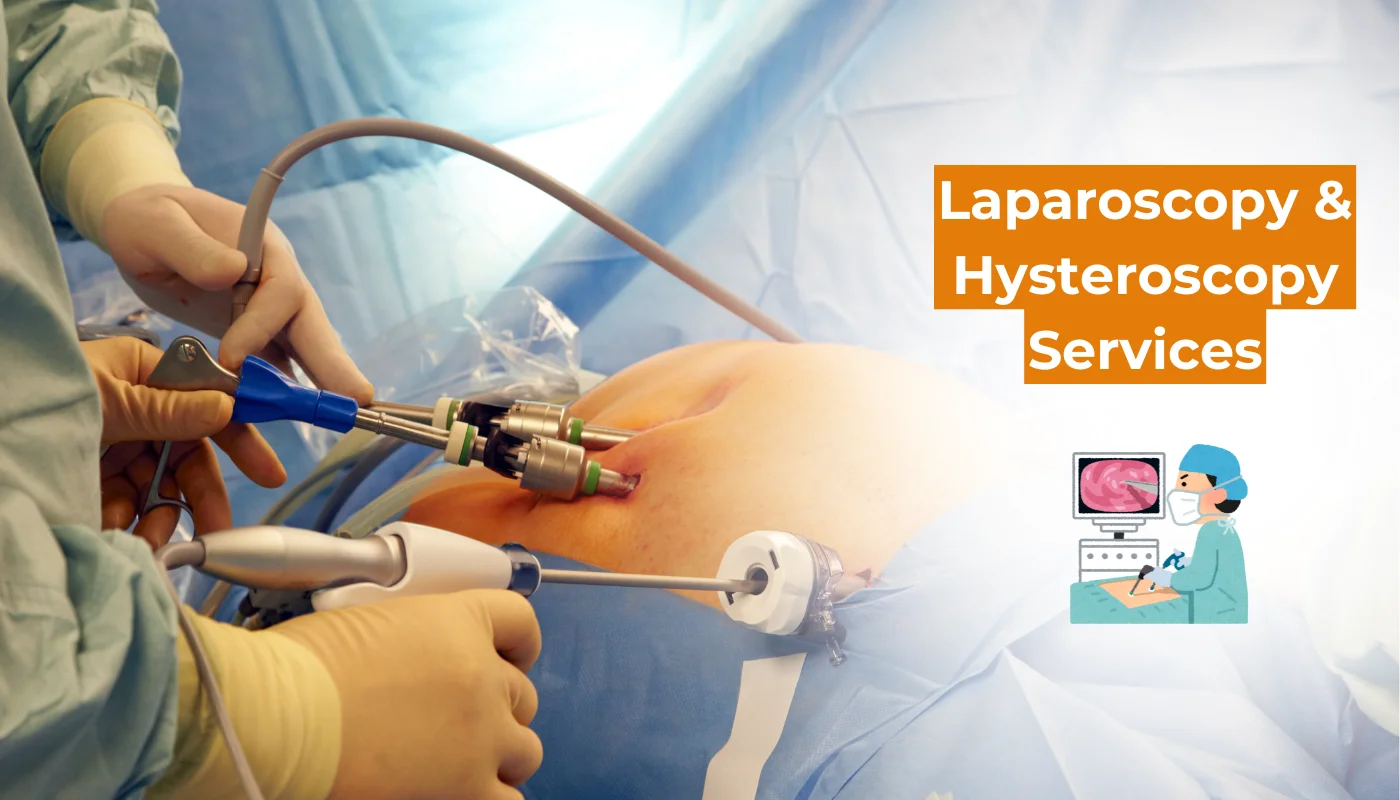
Instead of a large abdominal cut, laparoscopy typically uses three or four incisions of 5–10 mm. Carbon dioxide gas gently expands the abdomen so the surgeon can see the uterus, ovaries, fallopian tubes, and surrounding structures on a high-definition monitor. This approach is widely used in modern gynecology because it reduces post-operative pain, blood loss, hospital stay, and time away from work compared with open surgery.
According to the American College of Obstetricians and Gynecologists (ACOG), laparoscopy can be diagnostic - to investigate pelvic pain or infertility - or operative - to remove fibroids, treat endometriosis, drain cysts, or manage ectopic pregnancy. At Mathrutva Women Healthcare Center, Manikonda, Dr. Prithivi Perum selects laparoscopy when it offers the safest, most effective route to relief while preserving fertility whenever possible.
Who Needs This Treatment?
- Women with chronic pelvic pain not explained by scans alone
- Patients with symptomatic ovarian cysts or masses requiring surgery
- Women with suspected or confirmed endometriosis needing excision
- Those planning pregnancy with pelvic adhesions or tubal concerns
- Patients with ectopic pregnancy requiring surgical management
- Women who need fibroid removal (myomectomy) while keeping the uterus
- Patients where medications have failed to control gynecologic symptoms
- Women seeking minimally invasive alternatives to open abdominal surgery
Conditions Treated
- Uterine fibroids - laparoscopic myomectomy when hysterectomy is not desired
- Endometriosis - excision or ablation of implants and adhesions
- Ovarian cysts - cystectomy with ovarian tissue preservation
- Ectopic pregnancy - salpingectomy or salpingostomy as clinically appropriate
- Pelvic adhesions - adhesiolysis to restore normal anatomy
- Chronic pelvic pain - diagnostic and therapeutic laparoscopy
- Infertility - evaluation of tubes, ovaries, and pelvic environment
- Hydrosalpinx - tubal management before fertility treatment
When to Consult / Symptoms
Laparoscopy may be recommended when symptoms or scan findings suggest pelvic disease that medication alone cannot resolve.
- Chronic pelvic pain
- Heavy or irregular menstrual bleeding
- Suspected ovarian cysts
- Infertility evaluation
- Suspected endometriosis
- Ectopic pregnancy concern
- Pelvic adhesions
- Failed medical treatment for gynecologic conditions
Why Choose This Procedure?
Laparoscopy has become the standard of care for many gynecologic conditions because it balances effective treatment with faster recovery. When performed by an experienced surgeon for the right indication, outcomes are excellent.
- Smaller scars - incisions are typically a few millimetres, not a full abdominal wound
- Less post-operative pain - most women need fewer pain medications and mobilise sooner
- Shorter hospital stay - many procedures are day-care or overnight stays
- Faster return to work - often 1–2 weeks for desk jobs versus 6–8 weeks after open surgery
- Better visualisation - magnification helps identify endometriosis and subtle disease
- Fertility preservation - uterus and ovaries can often be preserved during fibroid or cyst surgery
Safety: Laparoscopic surgery is generally safe. Serious complications such as bowel or vessel injury are uncommon but possible. Risk depends on prior surgery, disease severity, and surgeon experience. Dr. Prithivi Perum discusses risks, benefits, and alternatives before any procedure.
Success rates: Success rates depend on the condition treated. Endometriosis excision often improves pain; myomectomy relieves bulk symptoms; cystectomy resolves ovarian cyst complaints. Fertility outcomes vary by age, disease extent, and partner factors.
Procedure Explained
Step-by-step overview of what to expect during your surgical journey.
- Pre-operative consultation - medical history, examination, imaging review, and informed consent
- Preparation - blood tests, anaesthesia assessment, fasting instructions, and medication guidance
- Anaesthesia - general anaesthesia so you are comfortable and unaware during surgery
- Port placement - small incisions made near the navel and lower abdomen for camera and instruments
- Examination and treatment - pelvic organs inspected; disease removed or repaired as planned
- Closure - incisions closed with sutures or surgical glue; dressings applied
- Recovery room - monitoring until awake; pain control and early mobilisation encouraged
- Discharge and follow-up - home care instructions, warning signs explained, follow-up appointment scheduled
Understanding the Causes
Many gynecologic conditions inside the pelvis - fibroids, cysts, endometriosis, adhesions - are treatable through laparoscopic techniques.
- Uterine fibroids
- Endometriosis and adenomyosis
- Ovarian cysts and masses
- Pelvic inflammatory disease sequelae
- Ectopic pregnancy
- Congenital pelvic anomalies
- Prior abdominal or pelvic surgery adhesions
Diagnosis & Evaluation
Careful imaging and clinical assessment determine whether laparoscopy is diagnostic, operative, or both.
- Detailed clinical history and pelvic examination
- Transvaginal and abdominal ultrasound
- MRI for complex pelvic masses
- Tumor markers when ovarian mass is suspected
- Diagnostic laparoscopy when imaging is inconclusive
- Pre-operative anaesthesia and fitness assessment
Treatment Options
Dr. Prithivi Perum selects the least invasive effective surgical approach tailored to your symptoms and fertility goals.
- Diagnostic laparoscopy
- Laparoscopic myomectomy
- Laparoscopic ovarian cystectomy
- Endometriosis excision and adhesiolysis
- Laparoscopic ectopic pregnancy management
- Laparoscopic hysterectomy when indicated
- Tubal patency assessment and fertility surgery
What to Expect at Your Visit
- Detailed consultation with imaging review
- Pre-operative blood tests and anaesthesia clearance
- Day-care or 1–2 night hospital stay for most laparoscopies
- Written discharge instructions and emergency contact guidance
- Follow-up within 1–2 weeks to review recovery
Recovery & Aftercare
- Walk daily as tolerated from day one
- Avoid heavy lifting and strenuous exercise for 2–4 weeks
- Keep port sites clean and dry; watch for redness or discharge
- Use prescribed pain relief; report fever or severe pain urgently
- Discuss return to work, driving, and intercourse at follow-up
How to Prepare for Your Appointment
- Complete fasting instructions before surgery
- Stop smoking to improve healing
- Arrange transport and home help for first 48 hours
- Bring prior ultrasound, MRI, and surgical reports
- List all medications including supplements and blood thinners
Risks & Complications
Every medical procedure carries risks. Dr. Prithivi Perum discusses personalised risks before treatment.
- Bleeding requiring transfusion (uncommon)
- Infection of incision or pelvis
- Injury to bowel, bladder, ureter, or blood vessels (rare; may need immediate repair)
- Shoulder tip pain from carbon dioxide gas (temporary)
- Blood clots in legs or lungs (DVT/PE) - preventive measures used in hospital
- Conversion to open surgery if anatomy is too complex for safe laparoscopy
- Adhesion formation after pelvic surgery
- Incomplete symptom relief depending on underlying disease
Key Takeaways
- Laparoscopic surgery uses small incisions and a camera to treat many gynecologic conditions.
- Recovery is typically faster than open surgery - often 1–2 weeks for routine procedures.
- It can preserve fertility through myomectomy, cystectomy, and endometriosis treatment.
- Dr. Prithivi Perum is FMAS/DMAS certified with 7,000+ gynecologic procedures in Hyderabad.
- Not every patient needs surgery - consultation determines if laparoscopy is right for you.
People Also Ask
Laparoscopic vs Open Gynecologic Surgery
| Factor | Laparoscopic Surgery | Open Surgery |
|---|---|---|
| Incision size | Small (5–10 mm ports) | Large abdominal incision |
| Typical hospital stay | 0–2 days | 3–5+ days |
| Recovery to routine activity | 1–3 weeks | 6–8 weeks |
| Post-operative pain | Usually less | Usually more |
| Scarring | Minimal | More visible |
| Best for | Many fibroids, cysts, endometriosis cases | Very large uterus or complex adhesions |
Benefits
Smaller Incisions
Faster Recovery
Shorter Hospital Stay
Fertility-Preserving Options
Related Services
Explore related gynecologic care at Mathrutva Women Healthcare:
Medical References
Authoritative resources for further reading (educational - not a substitute for medical advice):
- ACOG - Laparoscopy patient FAQ
- RCOG - Laparoscopic surgery information
- NIH - Minimally invasive gynecologic surgery research
- WHO - Women's health and surgical care
Laparoscopic Gynecologic Surgery in Manikonda & Hyderabad
Quick answer: Dr. Prithivi Perum offers laparoscopic gynecologic surgery at Mathrutva Women Healthcare Center, Manikonda (1st floor Rukmini Complex, Lalamma Gardens, Puppala Guda, Manikonda, Hyderabad 500089).
Women from Manikonda, Puppalaguda, Gachibowli, Kondapur, Madhapur, Hitech City, and across Hyderabad visit for expert gynecological care.
Searching for laparoscopic gynecologist near me in Manikonda, laparoscopic surgery Hyderabad, or minimally invasive fibroid surgery? Mathrutva Women Healthcare offers expert laparoscopy with evening appointments.
Book an appointment | +91 9949666905 | Our Doctor | All Services
Online content is educational and does not replace an in-person consultation with a qualified gynecologist. Consultations are available at Mathrutva Women Healthcare Center, Manikonda, Hyderabad - serving women across Puppalaguda, Gachibowli, Kondapur, Madhapur, Hitech City, Financial District, and greater Hyderabad.
Why Choose Dr. Prithivi Perum
- FMAS and DMAS certifications in advanced laparoscopic gynecologic surgery
- 7,000+ successful minimally invasive procedures across Hyderabad
- Fertility-preserving surgical techniques when pregnancy is planned
- Evening consultations at Mathrutva, Manikonda - convenient for working women
- Evidence-based approach - surgery only when medically appropriate